Engineering method
How I work with coding agents
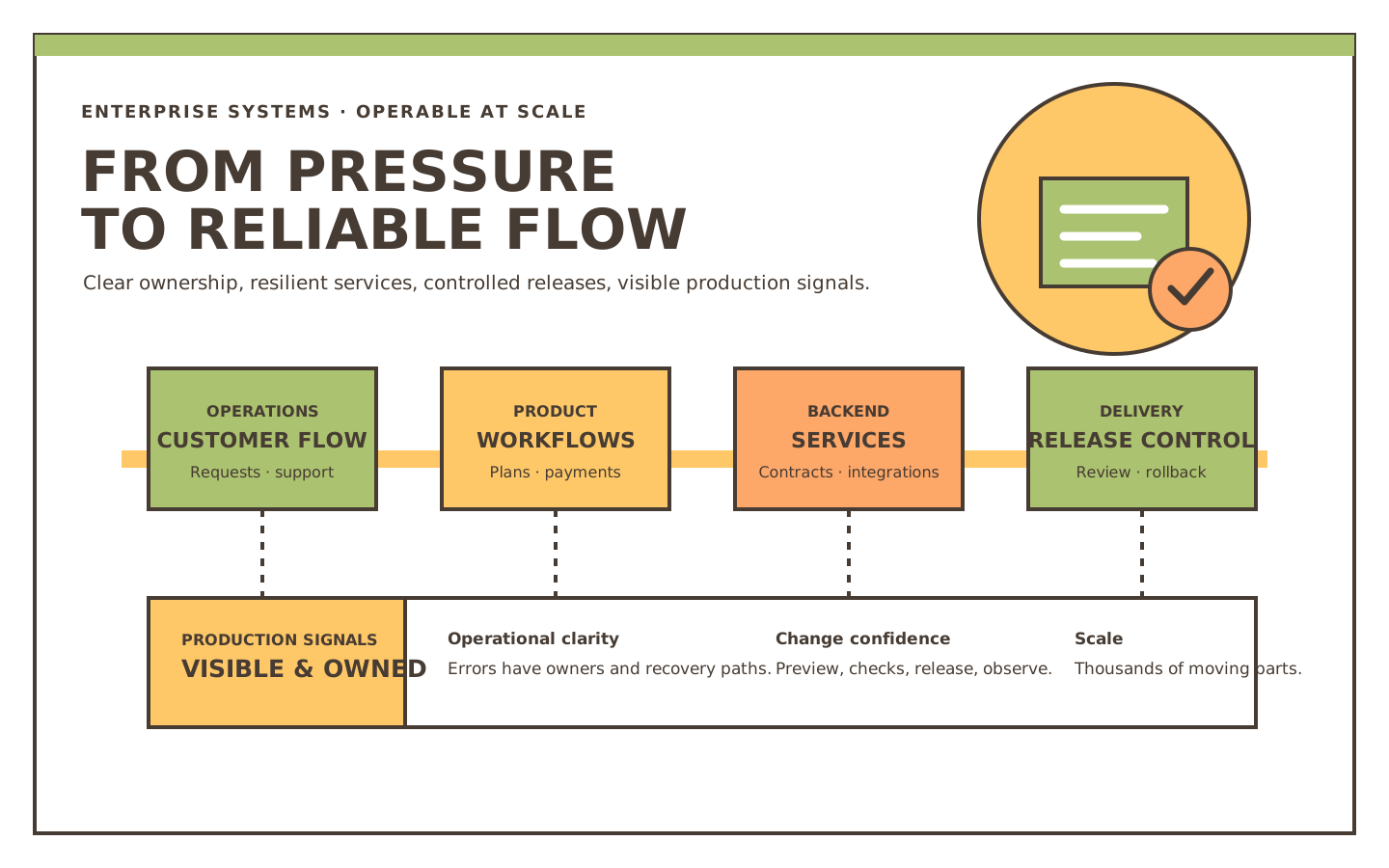
I use coding agents as implementation tools within an engineering process. I define the problem, logic and architecture, write down the project’s rules, and break the work into tasks I can review. I stay responsible for integration and the result.
Business need
Generating code is only part of the work. A useful product still needs a clear purpose, consistent rules and someone who understands how its parts fit together.
What the method supports
This is a working method used across my products. It helps me turn a defined workflow into implementation steps I can inspect, integrate and check as the product develops.
Role
I supply the context, decide the architecture and constraints, direct implementation, review the result and take responsibility for what ships.
Architecture decisions
Design considerations
Tasks need clear boundaries and enough context to preserve the product’s rules. Internal tools support the method; the professional product examples are The Barber Central, NutriPlan, ETERIA, Casa Roca and the AOHYS website.
Architecture decisions
Start with the users and workflow, then define interfaces, data ownership, permissions and integrations. Give each implementation task a purpose and a result that can be checked.
Public links
Execution highlights
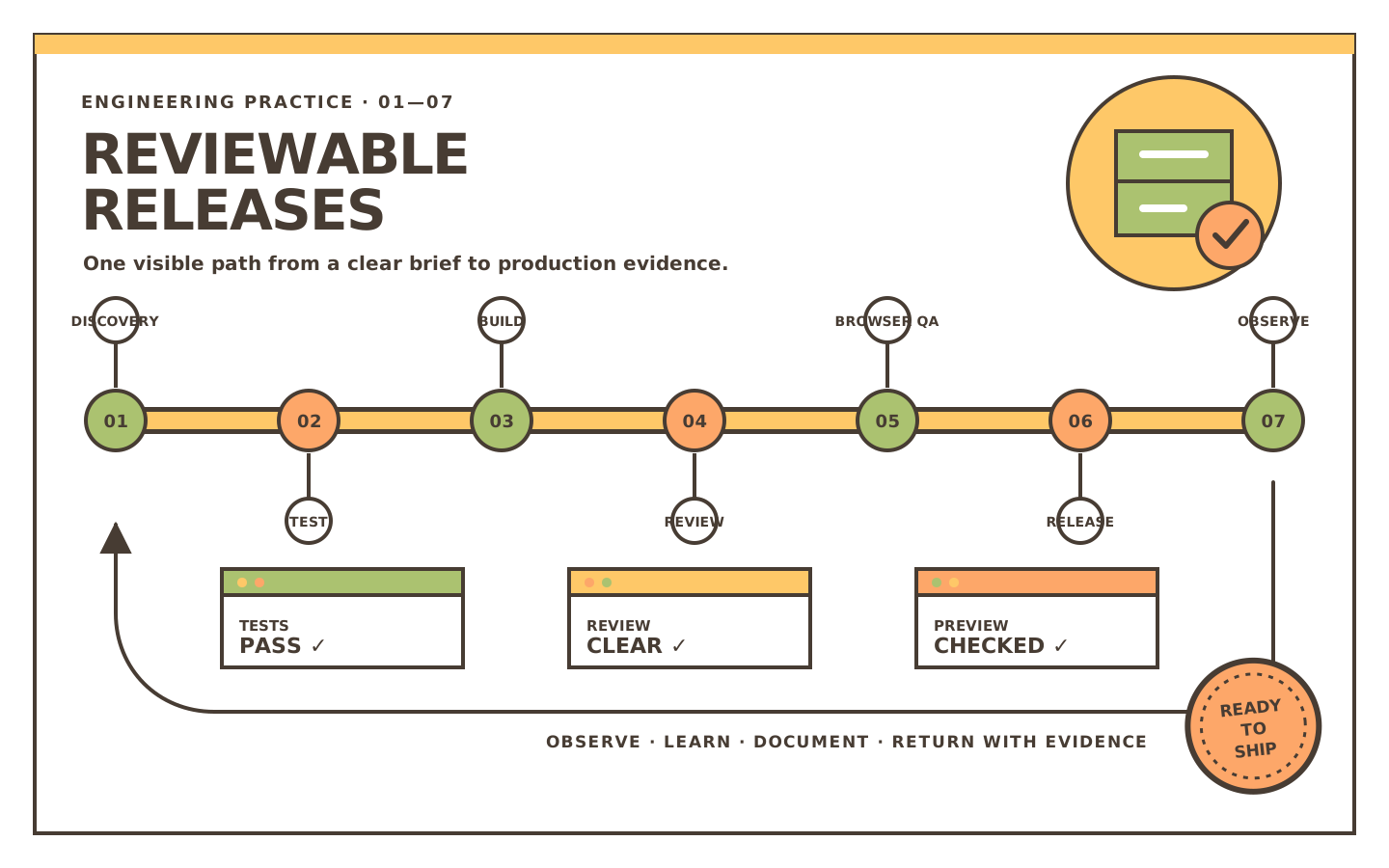
I build incrementally, review changes and integrate them with the existing product. Agent output is part of the work to evaluate, and I remain responsible for resolving issues and checking the complete flow.
Quality, security, and performance
Use checks that match the behavior being changed: review code and data rules, exercise workflows, and inspect the interface where people use it. Keep private information within its intended access boundaries.